Explore the thrilling and challenging world of cave diving, highlighting advanced safety protocols, global dangers, and cold water risks for expert divers.
As an experienced diver who has explored underwater realms across the globe, I can attest that cave diving represents both the ultimate thrill and the most significant challenge in our sport. While the allure of exploring submerged caverns is undeniable, recognizing one's limits is crucial for survival. In 2025, with advanced diving technology and better safety protocols, we now have a clearer understanding of which underwater caves demand the highest level of expertise—and which should be avoided by all but the most qualified professionals.
🇺🇸 Florida's Deeper Dangers
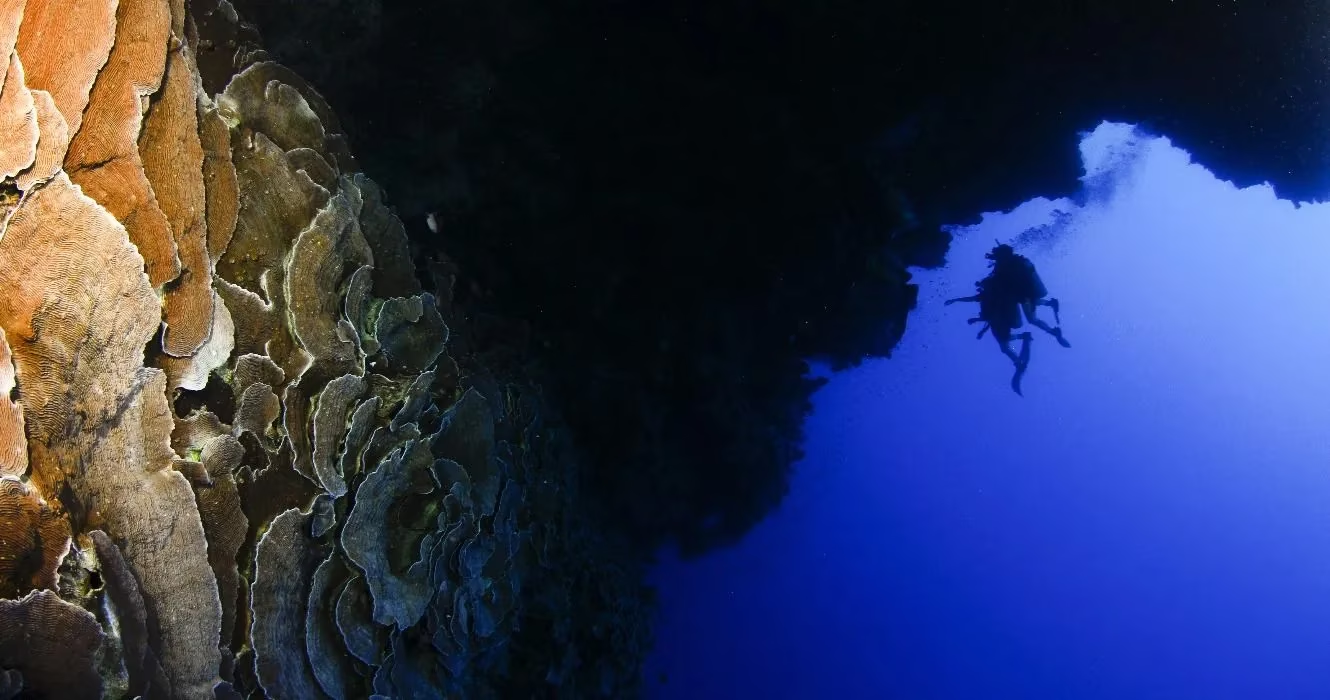
Florida continues to host some of America's most technically demanding cave systems. The Diepolder Cave System, located in the Sand Hill Ranch Scout Reservation, remains particularly challenging with its two separate caves—Diepolder II (360 feet) and Diepolder III (300 feet). What many don't realize is that Diepolder II still holds its title as the deepest cave in the continental United States. Current regulations require divers to present proof of at least 100 cave dives and certification from either the National Association for Cave Diving or the National Speleological Society Cave Diving Section.
Eagle's Nest Sinkhole presents another Florida challenge that has claimed lives since 1981. The combination of extreme depth, narrow passageways, and complete darkness makes this site particularly treacherous. Recent improvements in underwater lighting technology have helped, but the fundamental risks remain unchanged.
🌏 International Death Traps
Australia's Mount Gambier Sinkholes
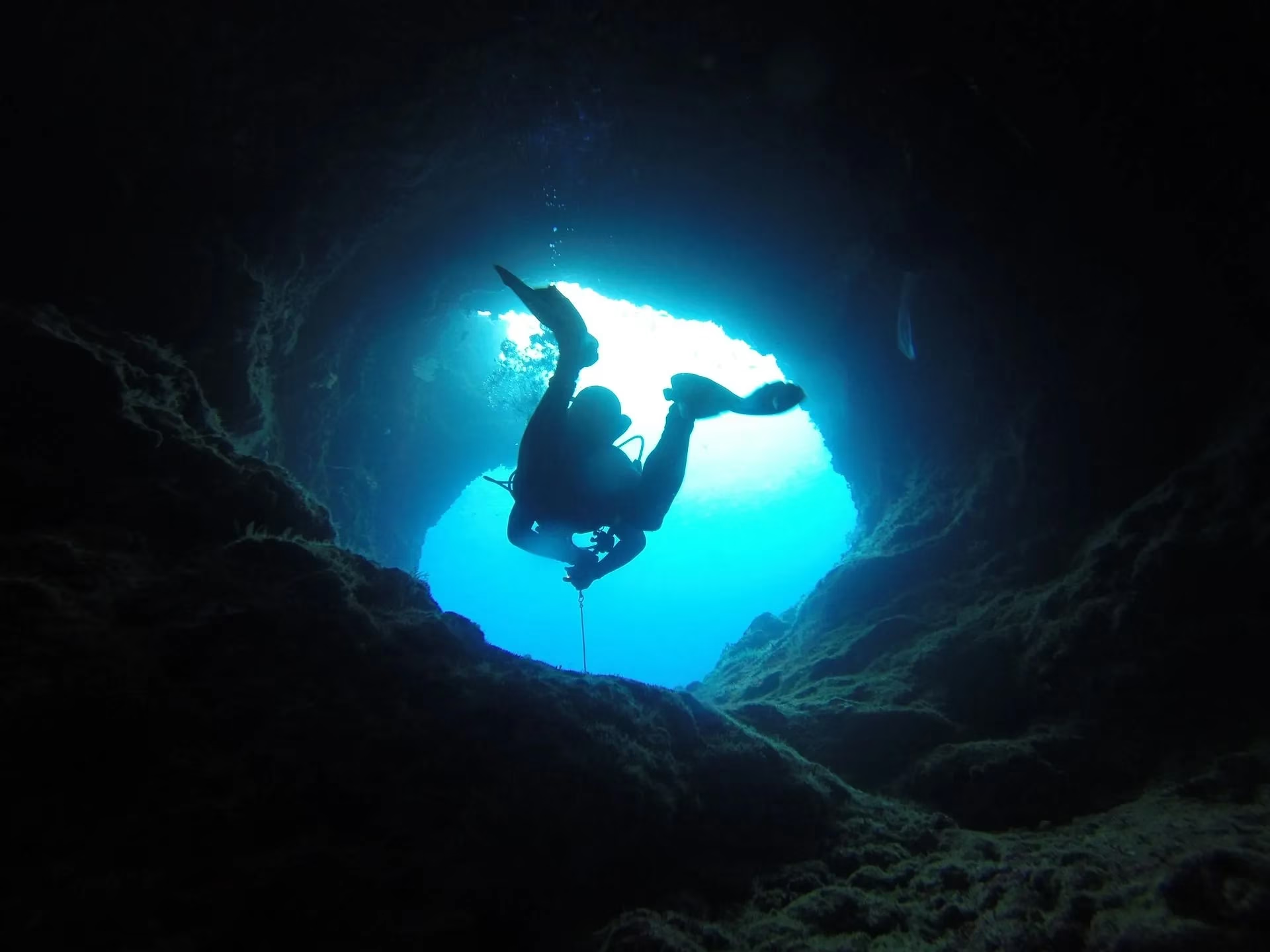
The Shaft in Mount Gambier continues to be one of Australia's most notorious dive sites. Accessible only through a grass-covered field opening, this 120-meter-deep cave system features labyrinthine tunnels that have disoriented even experienced divers. The 1973 tragedy that claimed four lives serves as a permanent reminder of its dangers. Nearby, Kisby Sinkhole boasts incredibly clear waters but has witnessed multiple fatalities since 1969.
Mexico's Temple of Doom
Cenote Cavalera, famously known as the Temple of Doom, requires divers to walk 200 feet to the entrance before jumping eight feet into the 50-foot-deep sinkhole. While the sunlight effects and rock formations are breathtaking, the complex canyon system with multiple tunnels presents significant navigation challenges.
❄️ Unique Cold Water Challenges
Iceland's Silfra Fissure
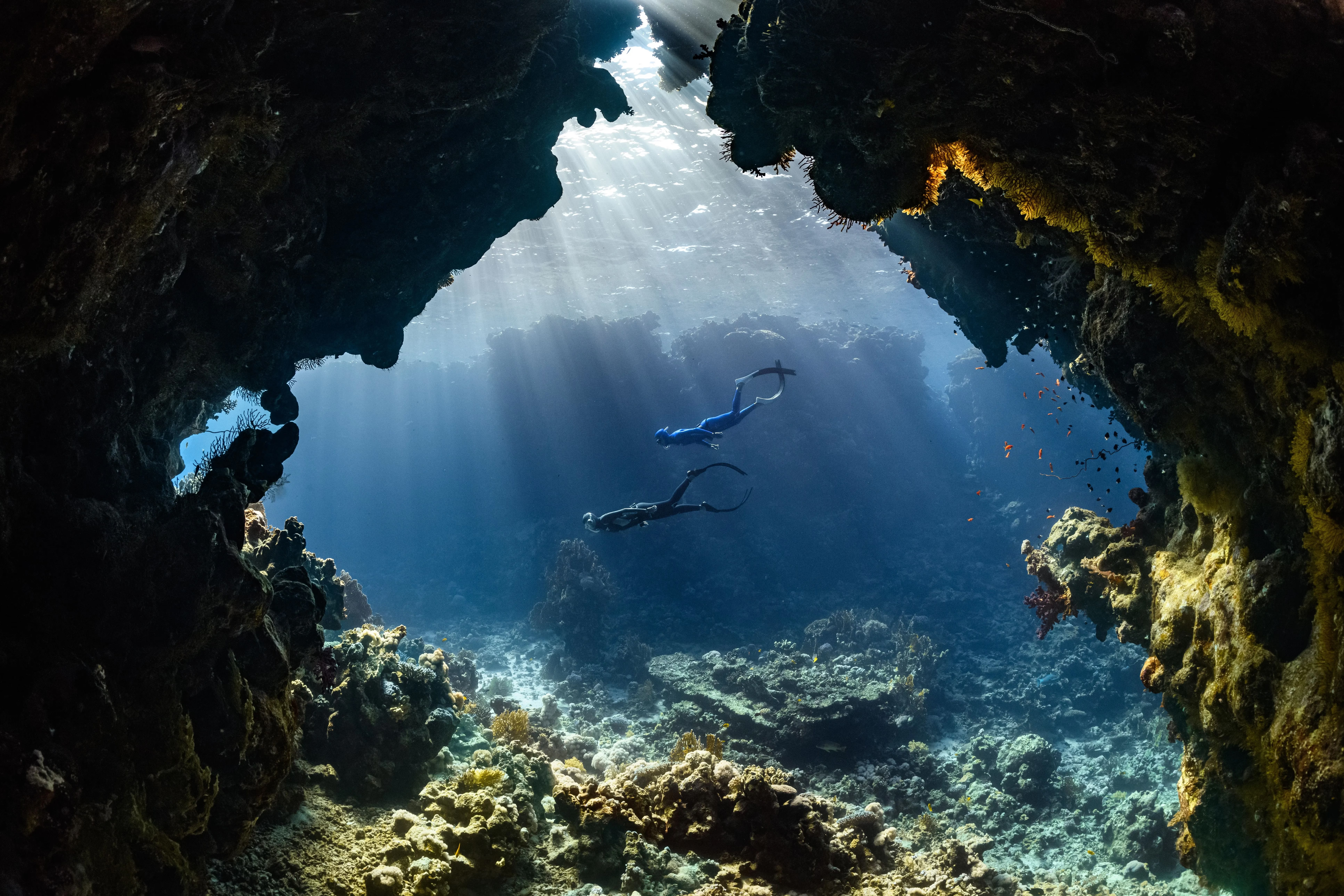
While not a traditional cave, Silfra Fissure deserves mention for its unique risks. The water temperature remains a constant 2°C (35.6°F), creating hypothermia risks within minutes. However, the reward is unparalleled—divers can literally touch both the North American and Eurasian tectonic plates simultaneously. Modern dry suit technology has made this dive more accessible, but the cold remains a serious consideration.
Norway's Pluragrotta Cave
As Northern Europe's deepest cave at 135 meters, Pluragrotta combines freezing temperatures with extremely narrow, sharp-edged passages. The 2014 tragedy that claimed two divers' lives led to temporary diving bans, though heroic recovery efforts by fellow divers eventually reopened the site. Today, it remains one of Scandinavia's most technically demanding dives.
🏆 Most Notorious: Egypt's Blue Hole
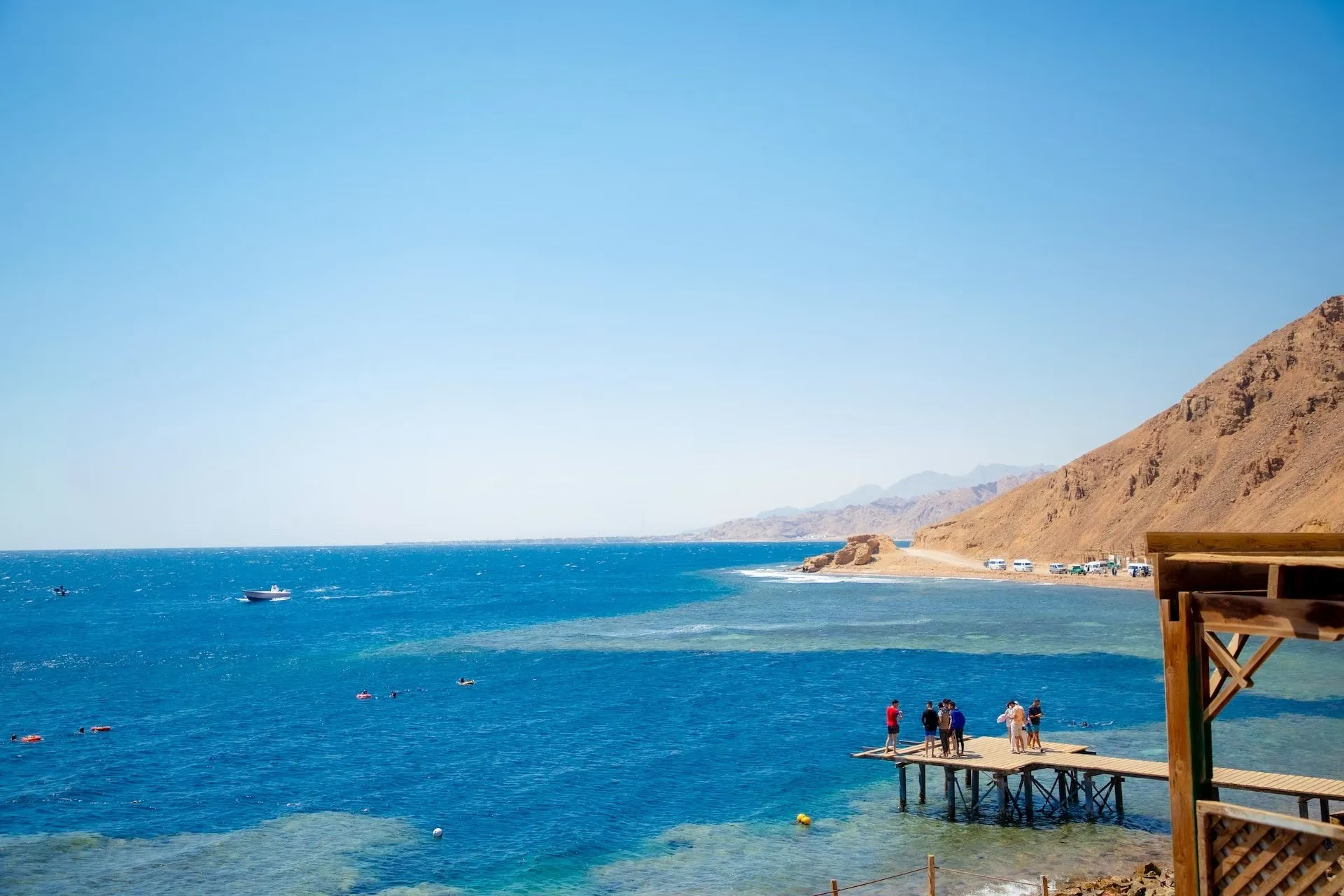
The Blue Hole in Dahab maintains its reputation as both a world-class dive site and "the diver's cemetery." With over 150 fatalities recorded in a 15-year period, this 120-meter-deep submarine sinkhole continues to challenge even expert divers. The 2025 diving community still discusses Yuri Lipski's tragic death, which was captured on his own camera. The site's beauty—with stunning sea walls, abundant marine life, and connecting tunnels to the open sea—continues to attract adventurers despite the risks.
Historical Treasures with Modern Risks
France's Cosquer Cave remains unique as the only known Stone Age underwater cave, featuring prehistoric paintings dating back 27,000-19,000 years. While now protected as a historic monument (with a replica available for viewing in Marseille), the original cave's 37-meter underwater entrance and upward-sloping tunnel have claimed three divers' lives. The archaeological significance makes this site particularly compelling for technically skilled diver-archaeologists.
📊 2025 Safety Considerations
| Risk Factor | Danger Level | Mitigation Strategies |
|---|---|---|
| Depth | 🔴 High | Mixed gas, decompression planning |
| Narrow passages | 🔴 High | Proper buoyancy control |
| Visibility | 🟡 Medium | Guideline systems, backup lights |
| Temperature | 🔴 High | Appropriate exposure protection |
| Navigation complexity | 🔴 High | Extensive cave mapping |
💡 Essential Safety Equipment for 2025 Cave Diving
-
Primary and backup lights 💡
-
Guideline reels
-
Multiple cutting devices ✂️
-
Redundant breathing systems
-
Dry suits for cold environments ❄️
-
Underwater communication devices 📟
-
Advanced dive computers 💻
While technology has advanced significantly, the fundamental risks of cave diving remain. The most important equipment any diver can bring is proper training, experience, and the wisdom to know their limits. As we continue to explore Earth's final frontiers in 2025, remember that the most successful cave divers are those who live to dive another day.
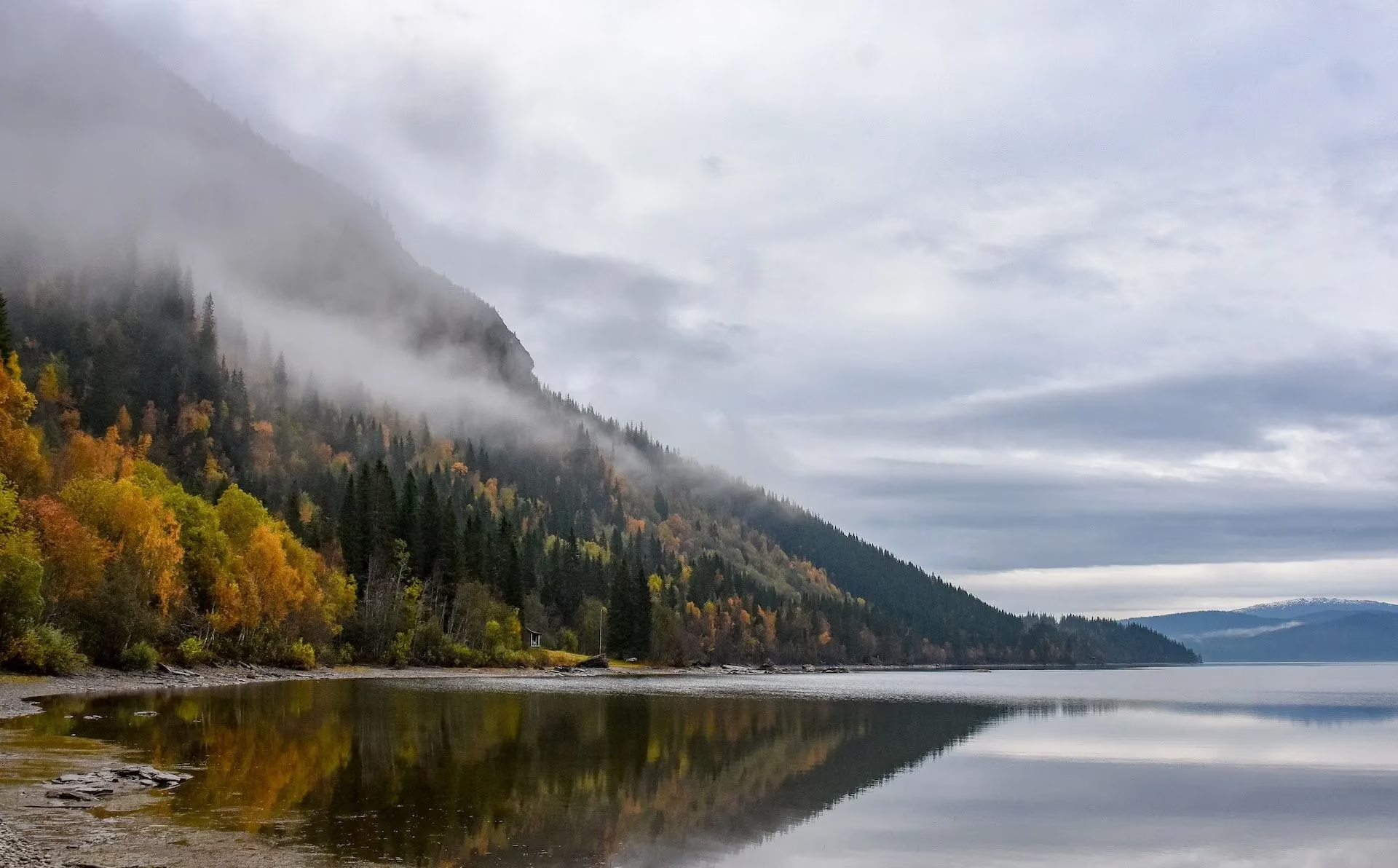
The evolution of cave diving safety protocols has been remarkable, but nature's challenges remain constant. Each of these sites offers unique rewards that continue to draw qualified technical divers, but they demand the utmost respect and preparation. As someone who has witnessed both the beauty and brutality of these underwater caves, I cannot overemphasize the importance of proper training and gradual skill development before attempting any of these challenging dives.