Costa Rica Venado Caves adventure led twelve Americans to battle histoplasmosis, highlighting vital cave exploration safety and health precautions.
A family vacation meant for creating lasting memories turned into a medical ordeal for twelve Americans who explored Costa Rica's famous Venado Caves. What began as an exciting cave exploration adventure ended with the entire family battling a fungal infection upon their return to the United States.
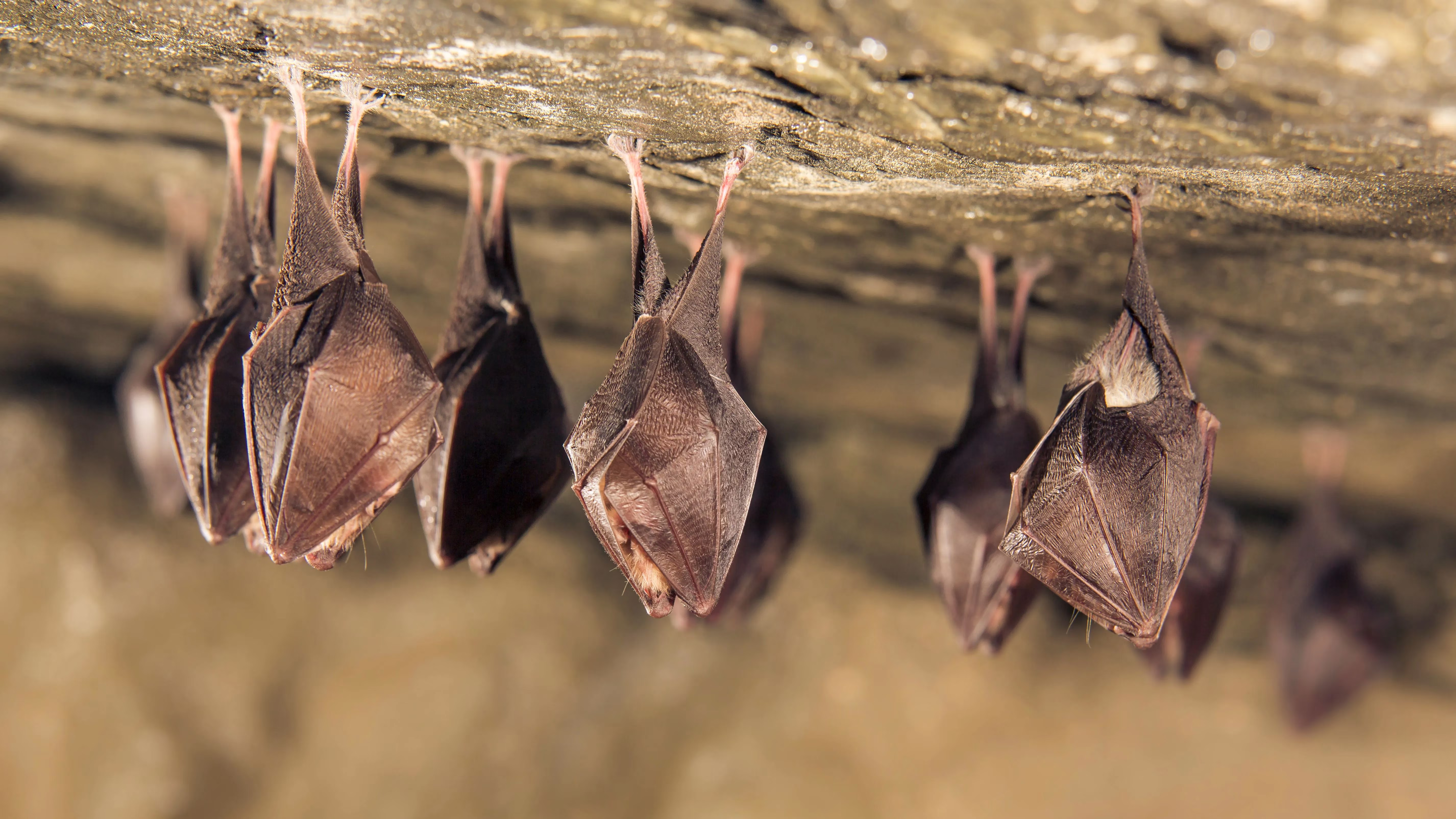
The family group, consisting of six adults and six children ranging from 8 to 16 years old, had embarked on what they thought would be an unforgettable Central American adventure. Little did they know that their cave exploration would expose them to Histoplasma capsulatum, a fungus commonly found in environments contaminated with bat or bird droppings.
The Unfolding Medical Mystery
Approximately 3 to 17 days after their cave visit, family members began experiencing concerning symptoms. The initial signs included:
-
High fever and chills
-
Persistent headaches
-
Respiratory difficulties
-
Chest pain and coughing
-
Fatigue and general malaise
The timing aligned perfectly with histoplasmosis incubation period, prompting medical professionals to suspect the fungal infection. An infectious disease specialist eventually alerted the Centers for Disease Control and Prevention (CDC) about the potential outbreak in January 2025.
Understanding Histoplasmosis
Histoplasmosis is primarily a lung infection that can develop into pneumonia in severe cases. While many people exposed to the fungal spores may never show symptoms, those with compromised immune systems are particularly vulnerable. The CDC notes that most healthy individuals will naturally clear the infection, but complications can arise when the infection spreads beyond the lungs.
The Recovery Process
Despite the concerning symptoms, the family's prognosis remained positive. Medical monitoring revealed that their bodies were effectively fighting the infection. Within approximately 28 days, all affected family members made complete recoveries without long-term complications.
Public Health Response
The incident triggered coordinated public health measures:
-
The CDC activated the Epidemic Information Exchange network
-
Collaboration began with the Costa Rican Ministry of Health
-
The U.S. Embassy in Costa Rica issued safety advisories
-
Cave tour operators received updated safety guidelines
Safety Recommendations for Cave Explorers
The CDC emphasizes several precautions for cave visitors:
-
Respiratory Protection: Wear N95 masks in caves with bat populations
-
Clothing Coverage: Use protective clothing that can be washed immediately after visits
-
Hand Hygiene: Thoroughly wash hands and shower after cave explorations
-
Health Monitoring: Watch for symptoms for three weeks after cave visits
-
Medical Consultation: Seek immediate medical attention if symptoms develop
This case serves as an important reminder that adventure tourism, while exciting, requires appropriate safety measures. The family's experience has contributed valuable data to public health understanding of travel-related fungal infections, potentially helping future travelers avoid similar situations.
The incident demonstrates how quickly a dream vacation can turn challenging, but also highlights the effectiveness of modern medical response systems. As cave tourism continues to grow in popularity, this case underscores the importance of balancing adventure with appropriate health precautions.